
15 Ways to Reinvent Traditions for an LGBTQ+ Wedding
Curious about how to reinvent or reinterpret wedding traditions for your LGBTQ+ wedding? Here are 15 creative ideas
We have included third party products to help you navigate and enjoy life’s biggest moments. Purchases made through links on this page may earn us a commission.

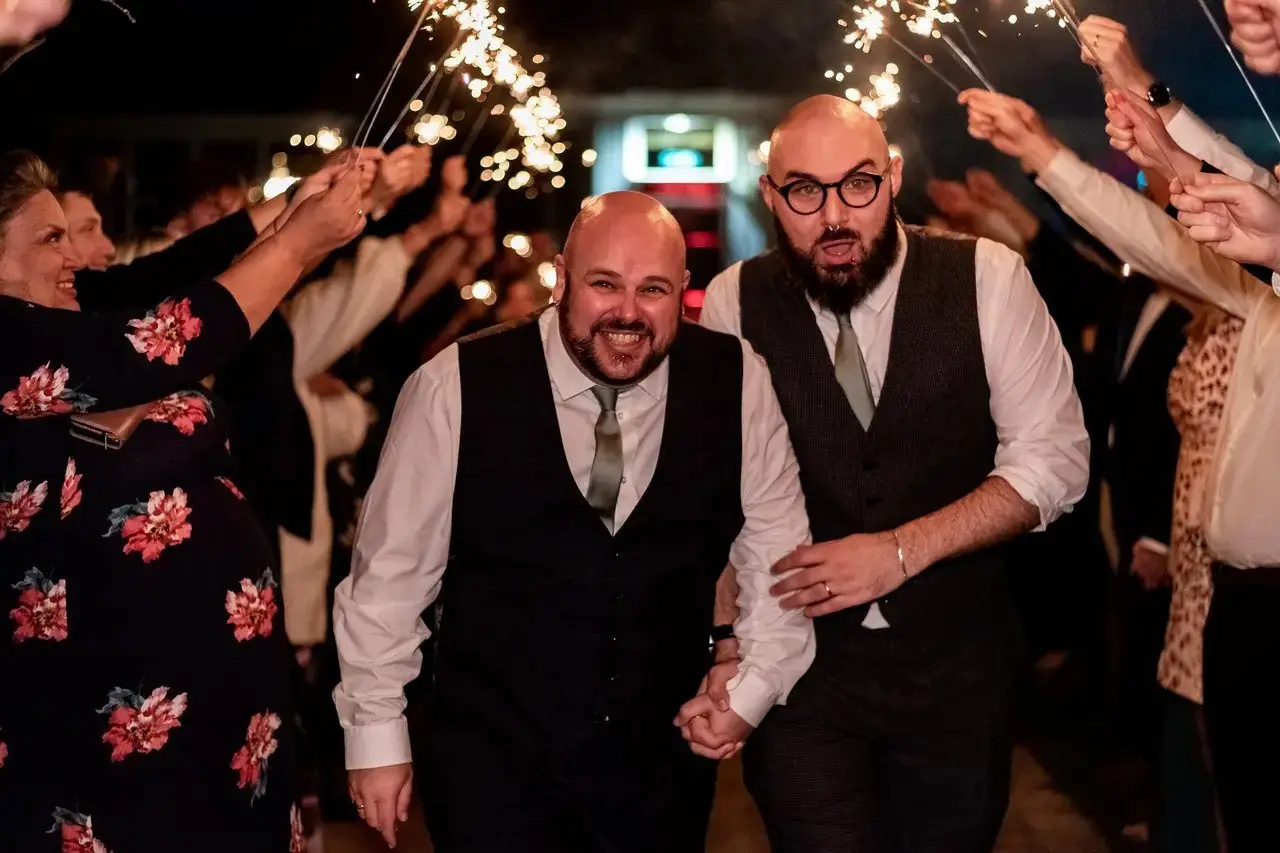

Planning a wedding should feel exciting, not like you're trying to fit your relationship into traditions that don't quite reflect who you are. Whether you're looking for traditions for LGBTQ+ weddings, planning a same-sex wedding, or searching for inspiration that feels authentic to you as a couple, the good news is there are no rules you have to follow.
From deciding who walks down the aisle to choosing wedding outfits, proposing, writing your ceremony, or reimagining classic wedding traditions, LGBTQ+ couples have more freedom than ever to create a celebration that reflects their relationship and values. Inclusive wedding planning is all about choosing the elements that feel meaningful to you and leaving behind anything that doesn't.
- 15 Traditions to Reinvent for an LGBTQ+ Wedding
- How Do You Plan a Same-Sex Wedding?
- What Traditions Work for LGBTQ+ Weddings?
- What Should LGBTQ+ Couples Include in Their Wedding Ceremony?
15 Traditions to Reinvent for an LGBTQ+ Wedding
Whether you're planning a wedding between two brides, two grooms, non-binary partners, or a couple with diverse gender identities, your day can be as traditional, modern or completely unique as you want it to be. In fact, some of the most memorable same-sex weddings are the ones that blend personal touches, contemporary trends and meaningful traditions in entirely new ways.
To help inspire your celebration, we spoke to LGBTQ+ couples and wedding experts about everything from modern venue ideas and planning advice to modern wedding trends and creative ways to make your day feel truly yours.
1. Who Proposes in an LGBTQ+ Relationship?

One of the most common questions couples ask when planning a same-sex wedding is: who proposes first? The answer is simple – whoever wants to.
Unlike traditional heterosexual proposals, LGBTQ+ couples aren't expected to follow a set script. Some couples choose a surprise proposal, while others discuss marriage beforehand and plan a proposal together. Others opt for a double proposal or exchange engagement gifts instead of rings.
Whether you choose a ring, a watch, a handwritten letter or a meaningful experience, the proposal should reflect your relationship rather than anyone else's expectations.
That's one of the best things about LGBTQ+ wedding planning: you get to create traditions that feel authentic to you.
2. Build a Wedding Party that Works for You

In an LGBTQ+ wedding (in fact, in any wedding!), gender shouldn’t define anyone’s role. The most important thing is having the people closest to you by your side. Just remember to share their duties with them. There might be a lot of stuff they need to help you with.
“For me, these are three of my best girl friends and my sister. For Iss, it’s her best guy mate and three of her best girl friends,” says Rachel.
“We’re putting the bridesmaids in the same dress, but they’re multi-way dresses so everyone can make it their own and wear something they feel comfortable in.”
Gender doesn't need to determine anybody's role in your wedding. Whether you have bridesmates, groomsmaids, attendants of honour, best people or an "I Do Crew", the most important thing is surrounding yourselves with the people who support your relationship.
Many LGBTQ+ couples are moving away from traditional wedding party titles altogether and choosing inclusive alternatives that feel more personal.
Wedding party members might help with:
- Planning pre-wedding celebrations
- Attending outfit fittings
- Supporting you during wedding planning
- Signing the marriage schedule as witnesses
- Greeting guests
- Holding rings
- Helping with logistics on the day
- The title matters far less than having people you trust by your side.
3. Wear Whatever Makes You Feel Amazing

If there's one area where LGBTQ+ wedding ideas continue to lead the way, it's fashion. Gone are the days of assuming one partner will wear a dress and the other a suit. Modern couples are embracing everything from matching tuxedos and colourful tailoring to jumpsuits, separates, skirts and custom-made wedding outfits.
“Same sex and LGBTQ+ weddings don’t need follow heteronormative wedding traditions", explains Rachel, "so no need for one bride to wear a women's wedding suit and one bride to wear a dress if that’s not your vibe. It’s all about ditching the gender standards so intrinsically present in heterosexual weddings.
Many LGBTQ+ couples now shop together to ensure their looks complement each other, while others prefer the excitement of a wedding-day reveal.
The most important rule? Wear something that feels like you.
Whether that's two dresses, two suits, gender-fluid fashion, bridal tailoring or something completely unique, your wedding outfit should celebrate your personality and style.
4. Walk Down the Aisle Your Way
For many couples, deciding how to make your entrance is one of the most exciting parts of wedding planning. The good news? There are no rules saying one partner has to wait at the altar while the other walks down the aisle.
One of the most popular LGBTQ+ wedding ideas is walking down the aisle together. It's a beautiful way to symbolise entering marriage as equals and can make those pre-ceremony nerves feel a little less daunting.
Alternatively, you might choose to walk separately, be accompanied by a parent, sibling, grandparent or member of your chosen family, or even make your entrance with your entire wedding party.
Not keen on being the centre of attention? You could skip the traditional aisle altogether. Circular ceremonies, where guests surround the couple, continue to grow in popularity, while outdoor weddings often lend themselves to more relaxed processional styles.
Whatever you decide, your entrance should reflect your relationship, not outdated expectations.
Rachel and Issy took yet another different approach: “We’ve talked this one through as we were going to meet at the bottom of the aisle and walk up together, but then we decided to go separately as Issy’s dad had been unwell and It means a lot to her for him to walk her up the aisle. Issy will go first and wait for me at the top, I’ll then walk up afterwards.”
5. Where Do You Stand at an LGBTQ+ Wedding Ceremony?

The wedding tradition of standing on specific sides during a wedding ceremony dates back centuries, but there's no reason modern couples need to follow it.
Whether you're planning a wedding between two brides, two grooms or partners of any gender identity, choose the arrangement that feels most natural. Some couples stand based on practical considerations, such as where photographers are positioned, while others simply choose the side they feel most comfortable on.
The same applies to guests. Many LGBTQ+ weddings now do away with "bride's side" and "groom's side" signage altogether, instead inviting guests to sit wherever they'd like.
After all, when two families and friendship groups are coming together, why separate them?
6. Who Holds the Flowers at an LBGTQ+ Wedding?

Who says only one partner gets to carry flowers? Whether you're planning a gay wedding, lesbian wedding or celebration that doesn't fit traditional labels, bouquets, buttonholes and floral accessories can be worn by whoever wants them.
Some couples choose matching bouquets, while others prefer contrasting arrangements that reflect their individual personalities. Floral crowns, pocket flowers, corsages and wearable installations are also becoming increasingly popular for modern LGBTQ+ weddings.
Of course, flowers aren't essential at all. You might swap them for meaningful accessories, family heirlooms or something that reflects your shared interests and style.
7. Choose an Inclusive Officiant or a Celebrant
One of the most important parts of inclusive wedding planning is choosing someone who understands and celebrates your relationship.
Same-sex marriage is legal throughout the UK, but ceremony options can vary depending on where you're getting married. Scotland and Northern Ireland legally recognise humanist marriages, while rules around celebrant-led ceremonies continue to evolve elsewhere in the UK. It's always worth checking the latest regulations for your chosen location.
Many LGBTQ+ couples choose a celebrant because it allows them to create a highly personalised ceremony. Celebrant-led weddings often include bespoke vows, readings and symbolic rituals that reflect the couple's story.
Most importantly, find someone who makes you feel comfortable. Your wedding ceremony should feel affirming, welcoming and genuinely reflective of who you are as a couple.
Toronto-based Max Valiquette, marketing and cultural expert and professional public speaker has been asked to officiate several friend’s weddings: “When officiating same sex weddings my own experiences inform my approach, as I’m queer.
"When I had my first serious boyfriend, marriage for same-sex couples simply wasn’t an option, so I don’t approach marriage or weddings as a given.”
8. Include a Meaningful Ceremony Ritual

Looking for LGBTQ+ wedding ceremony ideas that go beyond traditional vows? A symbolic ritual can add another layer of meaning to your day.
Some popular options include:
- Handfasting: An ancient tradition where ribbons or cords are wrapped around the couple's hands to symbolise unity.
- Ring Warming: Wedding rings are passed among guests before the ceremony so loved ones can offer their good wishes.
- Unity Candle Ceremony: Two individual candles are used to light a larger central candle together.
- Unity Sand Ceremony: Different coloured sands are poured into a single vessel to represent two lives becoming one.
- Tree Planting Ceremony: Perfect for outdoor weddings, this symbolises growth, commitment and a shared future.
- Time Capsule Ceremony: Write letters to each other to be opened on a future anniversary.
The best rituals aren't necessarily the most traditional ones – they're the ones that feel meaningful to your relationship.
9. Write Vows That Reflect Your Personalities at an LGBTQ+ Wedding
One of the greatest advantages of modern LGBTQ+ weddings is the freedom to create vows that feel completely personal.
While legal ceremonies require specific declarations, many couples choose to write additional promises to each other. Some keep them heartfelt and romantic, while others add humour, shared memories or references to their favourite films, books or travels together.
If you're struggling to get started, think about:
- What you love most about your partner
- What you've learned from your relationship
- Promises you'd like to make for your future together
- The qualities you admire in each other
There are no rules about how your vows should sound. The most memorable ones are always the most authentic. Discover more about writing your own wedding vows here.
10. What About the Table Plan at an LGBTQ+ Wedding?

Traditionally, you’re meant to alternate between male and female guests when doing your seating plan - but those rules don’t apply here.
Leading British etiquette coach William Hanson says: “For same sex weddings the rule book can be adjusted or in some cases forgotten – so long as the wedding day itself is respectful, harmonious and civilised. The male-female seating plan is one traditional rule that obviously has to get abandoned as the newly married same sex couple will be seated next to each other on the ‘top’ table.”
Rather than separating guests by gender or family groups, focus on creating tables where people will genuinely enjoy each other's company.
Some couples choose a sweetheart table for just the two of them, while others sit alongside their wedding party, parents or chosen family. Communal dining tables are another increasingly popular option, helping to create a relaxed and sociable atmosphere.
The best seating plan isn't the most traditional one – it's the one that helps your guests feel comfortable and connected.
11. Who Gives a Speech at an LGBTQ+ Wedding?
Traditionally, wedding speeches followed a fairly predictable format. Today, couples are creating something much more personal.
You might choose to:
- Give a joint speech together
- Invite both sets of parents to speak
- Ask a sibling or best friend to share a toast
- Include members of your chosen family
- Play pre-recorded video messages
- Share voice notes from loved ones who can't attend
One of the biggest wedding trends for 2026 is moving speeches to the drinks reception rather than after dinner, creating a more relaxed atmosphere and keeping guests entertained throughout the day.
Whatever format you choose, the best speeches are the ones that celebrate your story as a couple.
12. Who Pays for What at an LGBTQ+ Wedding?

For generations, wedding costs were often divided according to outdated gender expectations. Fortunately, modern couples have much more flexibility.
Many LGBTQ+ couples choose to pay for their wedding themselves, while others receive support from parents, grandparents, guardians or chosen family members. Some split costs equally, while others contribute according to their individual circumstances.
The key is open communication.
Before accepting financial contributions, discuss expectations and boundaries. While loved ones often want to help, it's important to ensure everyone understands what level of involvement they're comfortable with.
At the end of the day, a meaningful wedding isn't defined by how much you spend, but by the experience you create together.
13. Use Inclusive Wedding Language
Language plays a surprisingly important role in making your wedding feel authentic. Many couples choose to move away from traditional labels and use terms that better reflect their relationship and identities.
You might like to go for:
- Nearlyweds
- Partners
- Newlyweds
- Wedding party
- Attendants of honour
- Best person
- Honour attendants
Using inclusive language throughout your invitations, ceremony and wedding website can help ensure every guest feels welcomed and represented.
14. Celebrate Your Community

One of the most meaningful LGBTQ+ wedding ideas is finding ways to celebrate the people who have supported your relationship.
For many couples, this means giving chosen family a prominent role in the ceremony, reception or wedding party. Others incorporate LGBTQ+ history, Pride-inspired readings or meaningful cultural traditions that reflect their identities.
You could invite multiple loved ones to participate in readings, ask community members to share blessings or include suppliers whose values align with your own. And remember, your wedding isn't just a celebration of your relationship – it's also an opportunity to honour the community that helped shape your journey.
15. Create New Traditions
The best same-sex wedding inspiration often comes from creating traditions of your own. Rather than focusing on what weddings have always looked like, think about what would make your celebration feel uniquely yours.
Some modern ideas include:
- Festival-style wedding weekends
- Pride-inspired colour palettes
- Drag performances
- Live illustrators
- Wedding content creators
- Interactive guest experiences
- Group singalongs
- Sunset cocktail hours
- Personalised after-parties
The beauty of LGBTQ+ wedding planning is that you're not bound by convention. You can borrow traditions you love, leave behind the ones you don't, and create entirely new ones along the way.
Ultimately, your wedding should feel like a celebration of your relationship, your values and your future together. That's what guests will remember long after the last dance.
What Should LGBTQ+ Couples Include in their Wedding Ceremony?
The short answer: anything that tells your story. The best same-sex wedding inspiration often comes from stripping things back to meaning, not tradition for tradition’s sake.
Here are elements LGBTQ+ couples often choose to include:
1. A personalised love story
Instead of default wording, many couples ask their celebrant to share how they met, what they’ve overcome, or what makes their relationship uniquely theirs. It immediately grounds the ceremony in real life, not ritual.
2. Two-way vows (or shared vows)
Rather than “I do” being a mirrored script, couples often write vows that respond to each other’s journey. Some even choose to read them simultaneously for a powerful sense of equality.
3. Ring exchanges with intention
Not just a symbol of marriage, but a moment to acknowledge partnership, chosen family, and the life you’re actively building together.
4. Family and chosen family involvement
In LGBTQ+ wedding ideas, “family” often goes beyond biology. Many couples include close friends in readings, ring warming, or ceremonial roles that reflect their real support system.
5. Symbolic unity moments
Handfasting, blending colours, planting something together, or even mixing cocktails (very chic, very underrated) can replace traditional unity rituals with something more personal.
How Do You Plan a Same-Sex Wedding?
Planning same-sex weddings starts with deciding what actually feels meaningful to you, rather than defaulting to tradition. In gay wedding planning and broader inclusive wedding planning, the most important first step is building a shared vision for tone, whether that’s formal, relaxed, intimate, or celebratory.
From there, focus on choosing suppliers who genuinely understand and celebrate LGBTQ+ couples, not just accommodate them. This makes a huge difference in comfort and representation throughout the process.
You can then shape the ceremony around your story: how you met, what you value, and what your partnership represents, rather than following a rigid script.
Many couples also rethink structure entirely, deciding how they want to enter the ceremony, whether they walk in together, meet halfway, or skip traditional roles altogether. The key to LGBTQ+ wedding ideas is flexibility: building something that reflects identity and relationship rather than expectation.
What Traditions Work for LGBTQ+ Weddings?
The strongest traditions for same-sex weddings are the ones that can be reshaped to feel personal. The ring exchange remains one of the most universal and meaningful rituals, and the first dance continues to be a powerful emotional anchor in most celebrations.
Beyond that, many couples reinterpret or replace traditional elements. Walking down the aisle can become a shared entrance, a solo moment, or something entirely removed in favour of a more informal start. Family roles are often broadened too, with chosen family and friends taking part in speeches, readings, or symbolic gestures instead of rigid parental traditions.
Ultimately, the most enduring same-sex wedding inspiration comes from blending familiarity with reinvention, keeping what feels emotionally resonant and letting go of anything that doesn’t serve the couple’s story.
Remember, your wedding should be a celebration of your relationship and your love for each other - you can follow as many or as few traditions as you like! Discover our edit of the best LBGTQ+ first dance songs to add even more of a celebratory spin to your day.


